

Payment, Identity, and Contact: The Operational Tells of a Trustworthy Compound Supplier
Beyond the COA, a supplier’s payment options, transparency, and contactability quietly reveal how it thinks about accountability. Here’s how to read them.
COAs, third-party testing, anti-fraud — the Sirius brand wedge.
Beyond the COA, a supplier’s payment options, transparency, and contactability quietly reveal how it thinks about accountability. Here’s how to read them.

In-house numbers and independent verification are not the same thing. Here’s what a true third-party process adds, and why the distinction protects buyers.

A short list of pointed questions to email any research-compound supplier before buying — and how to tell a real answer from a deflection.
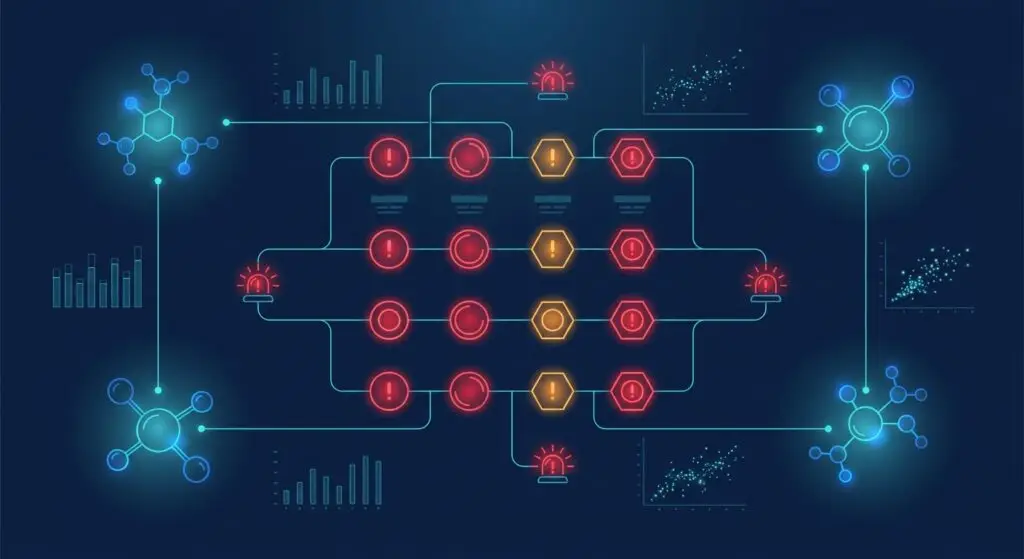
Twelve concrete warning signs that a research-compound supplier is cutting corners — from documentation gaps to payment tells and manufactured urgency.

Most supplier websites are built to persuade, not to prove. Here’s how to separate the language of marketing from the evidence of analytical proof.

A field-tested 10-point checklist for evaluating any research-compound supplier — what real proof looks like, and the gaps that marketing tries to hide.

Quality isn’t a single test — it’s a chain of controlled steps from synthesis to your shelf. Here’s what each link looks like and where weak suppliers cut corners.
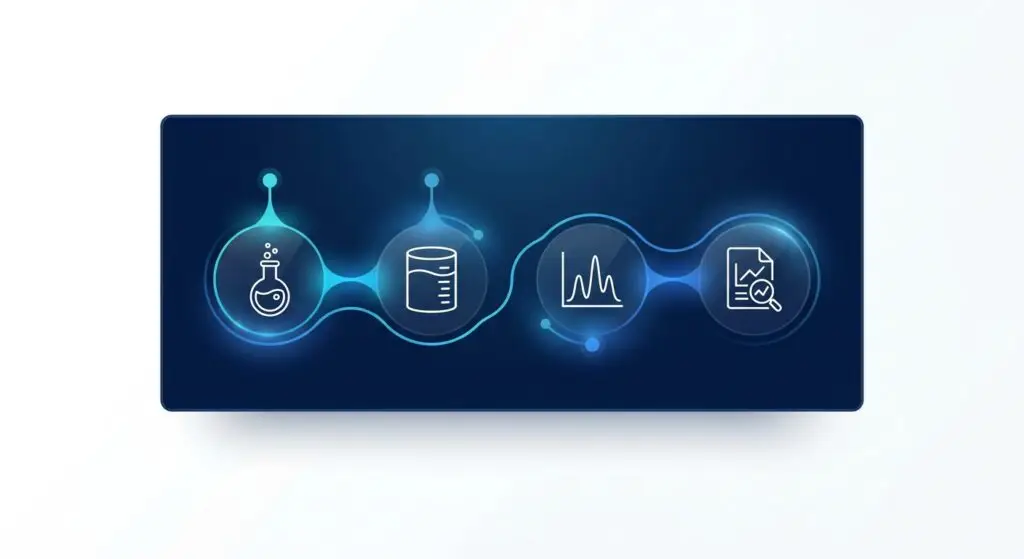
A lot number is a thread that ties material to its test data. Here’s what real batch documentation looks like and why a generic, reused COA is a red flag.

AAA breaks a peptide down to its building blocks and counts them. It’s the one assay that independently confirms both composition and how much real peptide you have.

Endotoxin testing answers a question purity and identity assays can’t: how clean was the process? Here’s what the LAL assay measures and why it appears on rigorous COAs.