
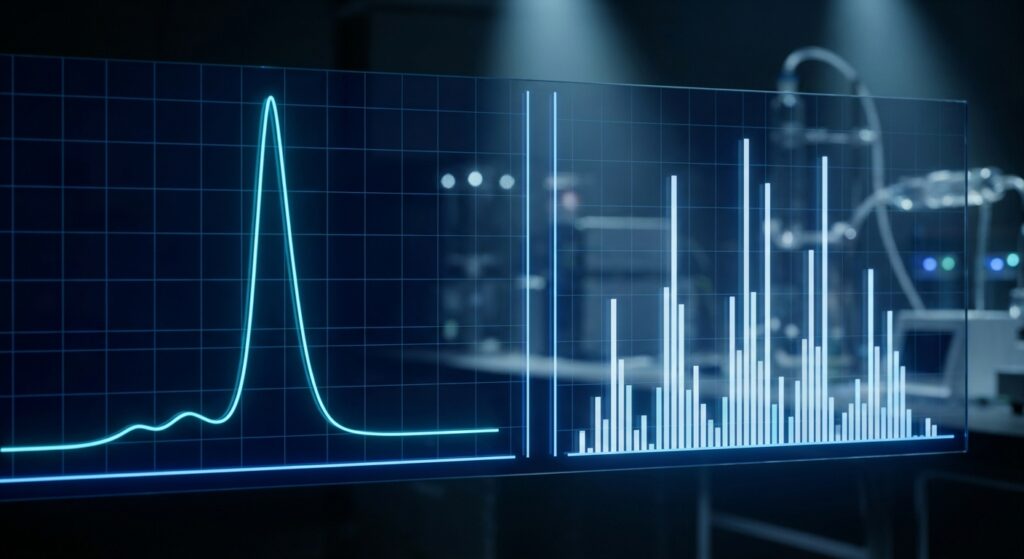
Purity vs. Identity: Why HPLC and Mass Spec Answer Two Different Questions
HPLC tells you how pure a peptide is. Mass spectrometry tells you whether it’s the right molecule at all. A real COA needs both, and here’s why.
COAs, third-party testing, anti-fraud — the Sirius brand wedge.
HPLC tells you how pure a peptide is. Mass spectrometry tells you whether it’s the right molecule at all. A real COA needs both, and here’s why.
A single certificate stretched across many production runs hides the one thing testing exists to catch: variation between batches.
Every vendor says they test. A disciplined framework for separating verifiable quality programs from confident marketing language.

The file format that delivers most certificates is also its greatest weakness. Here is why a standalone PDF can never be proof on its own.

Verification is a habit, not a feeling. Here is a repeatable routine for evaluating any certificate of analysis with disciplined skepticism.
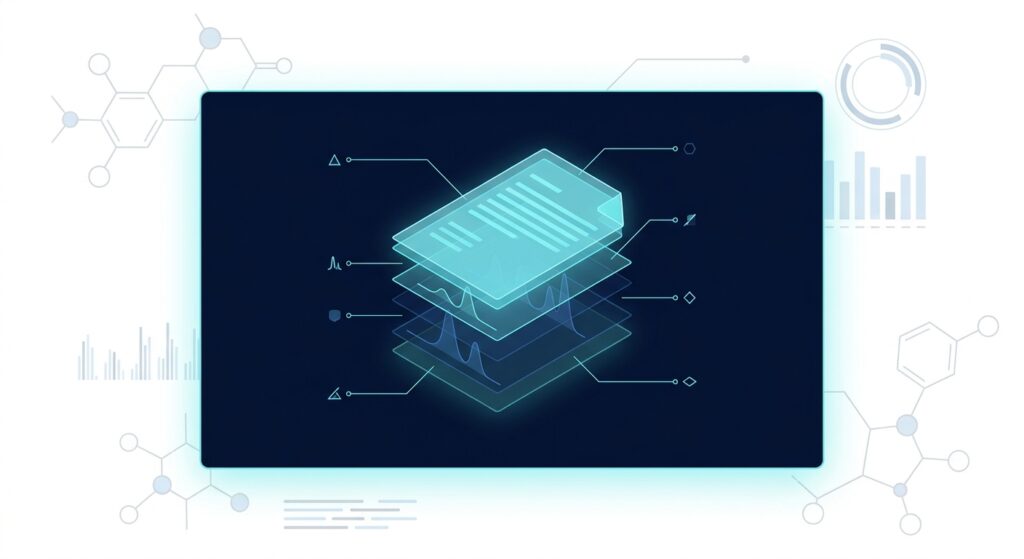
Section by section, here is what a legitimate third-party report contains — and which omissions should make you walk away.

A certificate is only as trustworthy as your ability to confirm it without trusting the seller. Here is what independent verification really requires.
A Certificate of Analysis is only as good as your ability to verify it. Here is a practical, RUO-focused checklist for telling a real COA from a forged or recycled one.
A peptide COA is more than a purity number. Learn to read identity, purity, net peptide content, and safety testing – and the one question every COA must answer.