

Payment, Identity, and Contact: The Operational Tells of a Trustworthy Compound Supplier
Beyond the COA, a supplier’s payment options, transparency, and contactability quietly reveal how it thinks about accountability. Here’s how to read them.
What an Independent Lab Actually Verifies — and Why Self-Reported Numbers Aren’t Enough
In-house numbers and independent verification are not the same thing. Here’s what a true third-party process adds, and why the distinction protects buyers.
Questions to Ask a Peptide Supplier Before You Buy (And What Good Answers Sound Like)
A short list of pointed questions to email any research-compound supplier before buying — and how to tell a real answer from a deflection.
Red Flags When Buying Research Compounds: 12 Warning Signs Worth Walking Away From
Twelve concrete warning signs that a research-compound supplier is cutting corners — from documentation gaps to payment tells and manufactured urgency.

Marketing vs. Proof: How to Tell the Difference on a Research-Compound Website
Most supplier websites are built to persuade, not to prove. Here’s how to separate the language of marketing from the evidence of analytical proof.

How to Vet a Research-Compound Supplier: A 10-Point Checklist Before You Spend a Dollar
A field-tested 10-point checklist for evaluating any research-compound supplier — what real proof looks like, and the gaps that marketing tries to hide.

Receiving and Logging a Shipment: Building a Defensible Chain of Custody in Your Lab
Quality control doesn’t end at delivery — it transfers to you. A practical RUO routine for inspecting, logging, and storing material so its provenance stays intact.
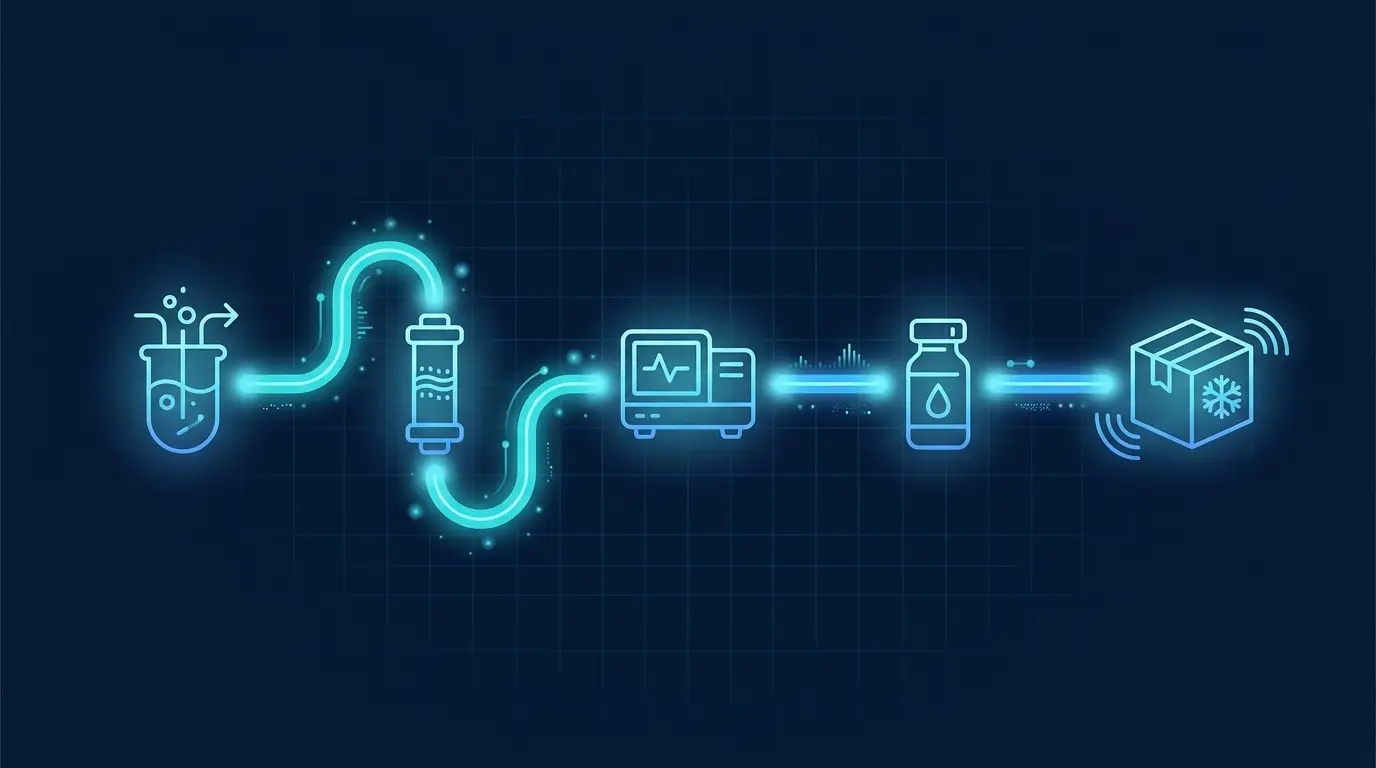
From Synthesis to Shelf: Anatomy of a Quality Research-Compound Supply Chain
Quality isn’t a single test — it’s a chain of controlled steps from synthesis to your shelf. Here’s what each link looks like and where weak suppliers cut corners.
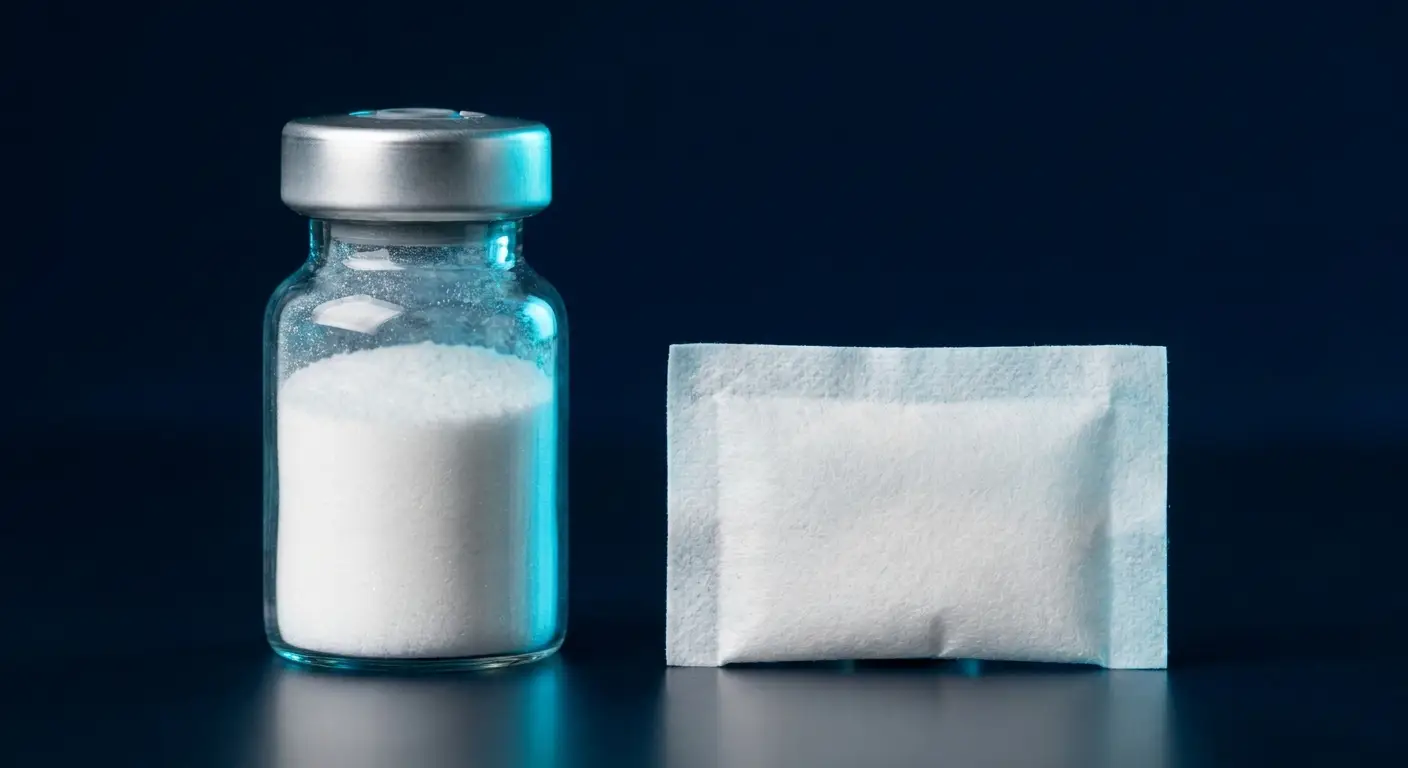
Desiccants, Headspace, and Seals: The Small Details That Keep Moisture Out
Water is the primary enemy of freeze-dried material. The defenses are unglamorous — desiccant, a good seal, minimal air — but they decide how long integrity lasts.

Lot and Batch Documentation: How a Quality Supply Chain Keeps Its Story Straight
A lot number is a thread that ties material to its test data. Here’s what real batch documentation looks like and why a generic, reused COA is a red flag.
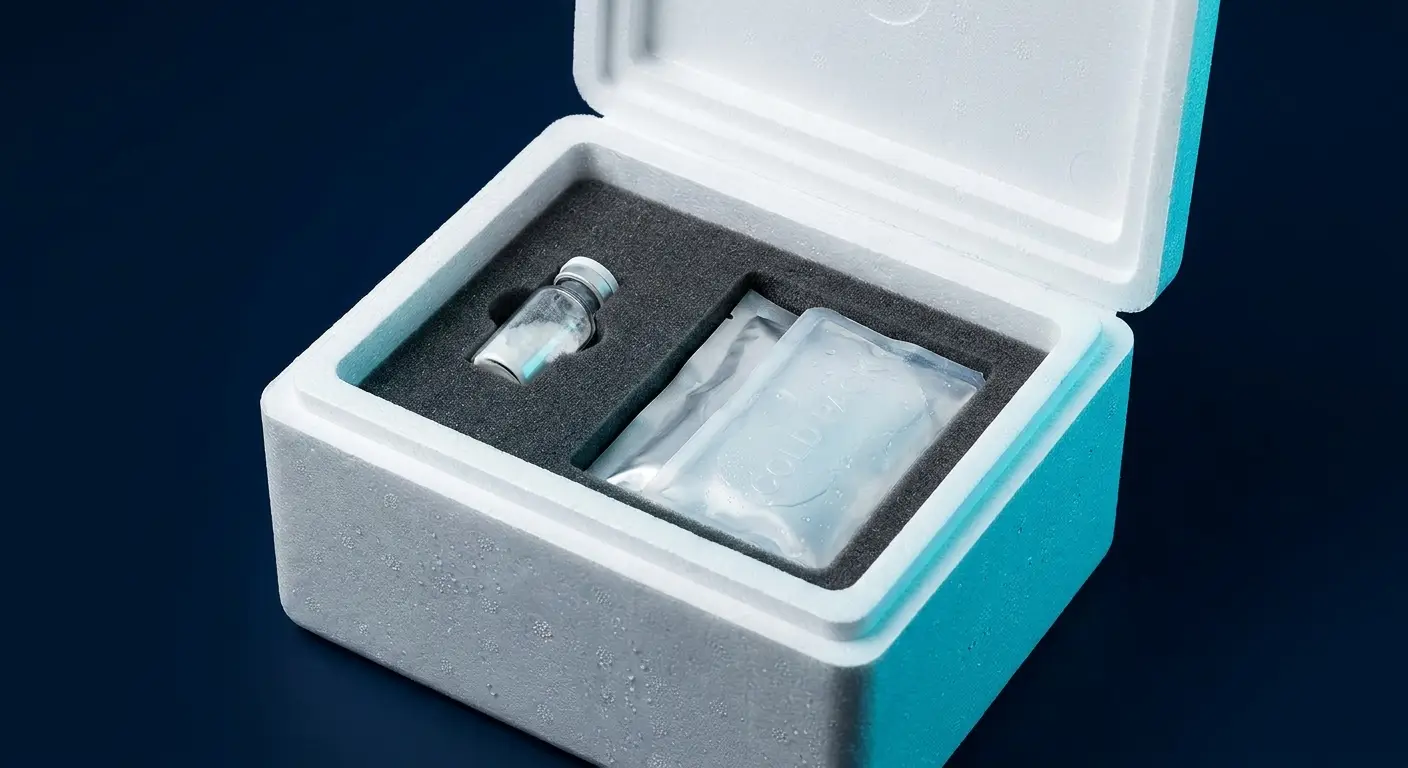
Cold-Chain Shipping for Research Compounds: What Actually Protects the Material
Most degradation risk happens in transit, not on the shelf. A look at what a real cold chain protects — and why a warm box on arrival isn’t always a failure.
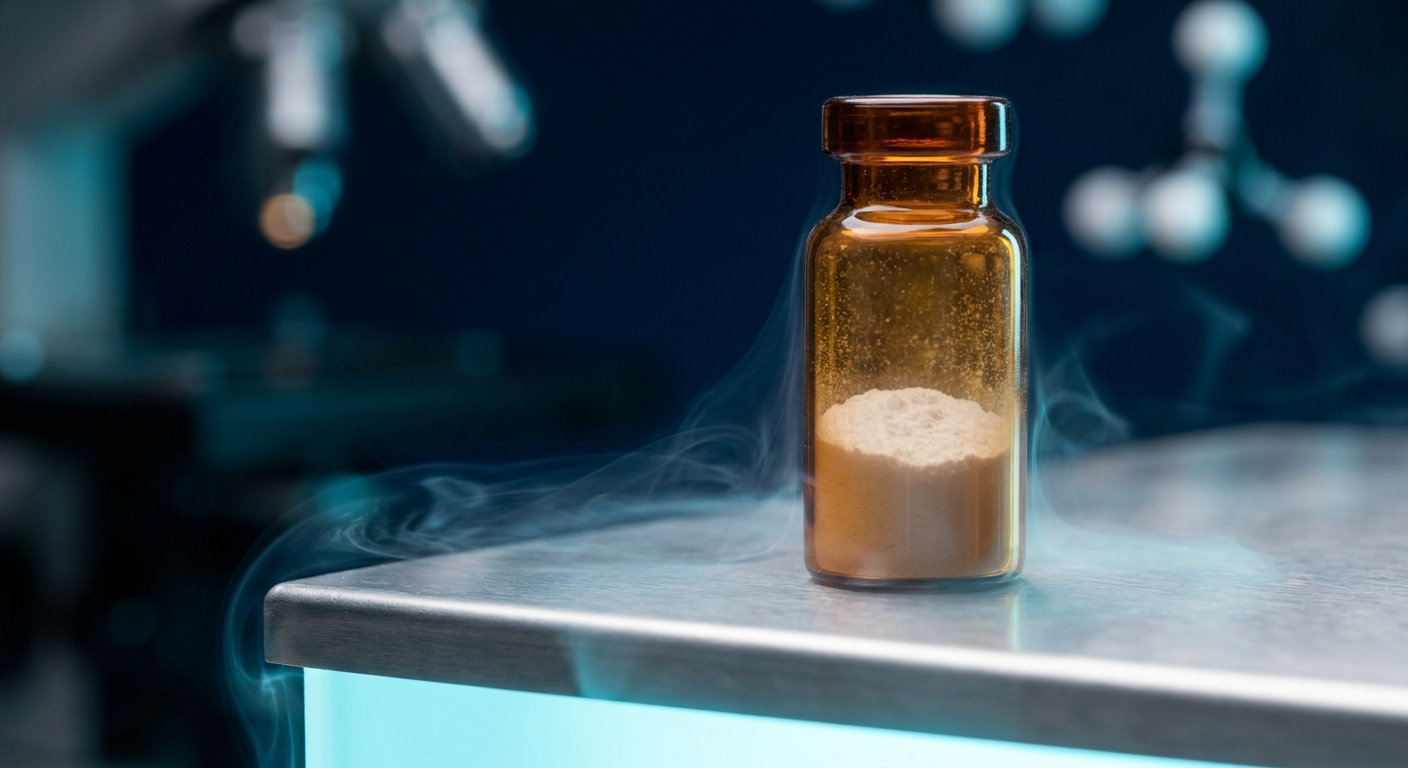
Light, Temperature, and Time: The Three Forces That Degrade Lyophilized Material
Lyophilized research material is stable, but not invincible. Here is how light, heat, and time quietly erode the integrity of a compound on the shelf.

Structure-Function: Why a Molecule’s Shape Is Its Job Description
In molecular science, form and function are inseparable. A peptide’s three-dimensional shape is, in effect, its job description. Here’s the principle that ties it together.
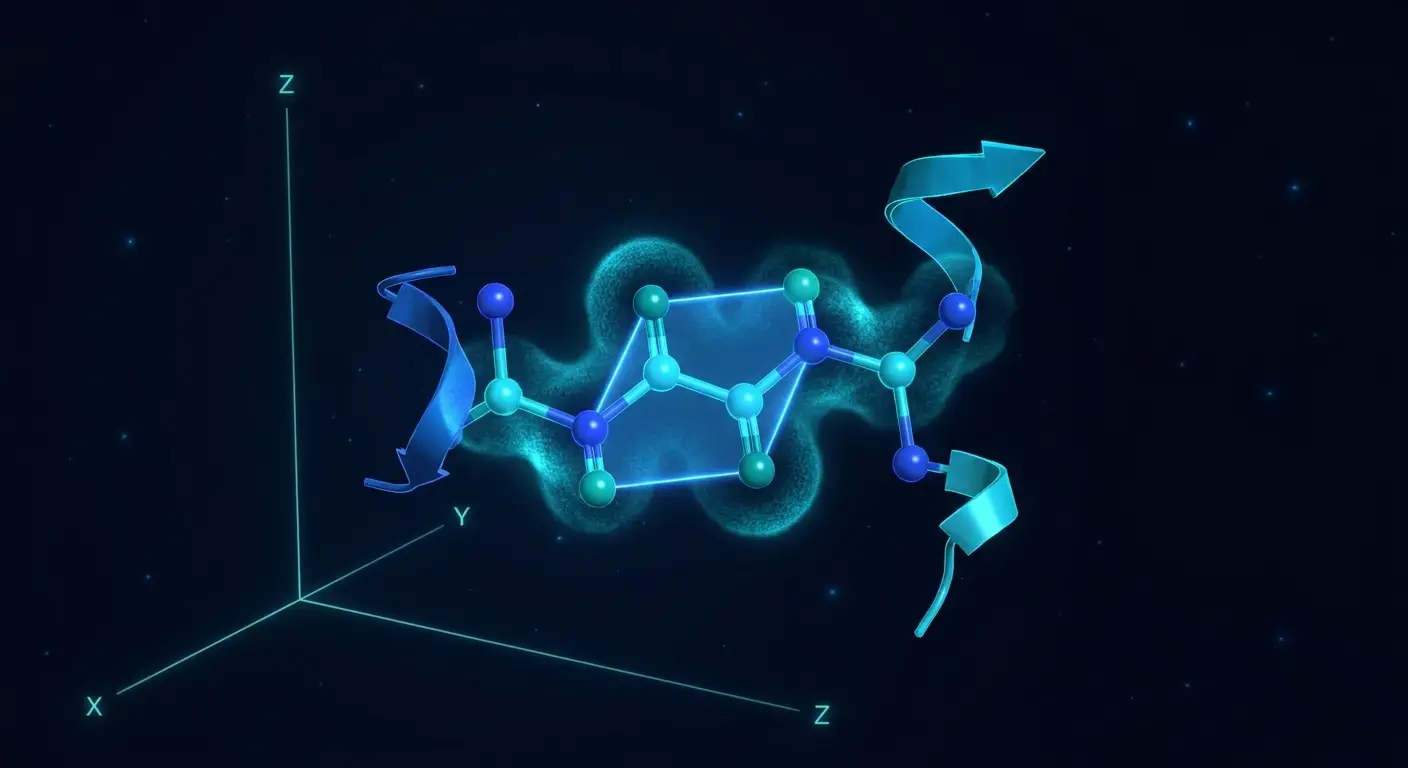
The Peptide Bond: The Tiny Link That Builds Everything
Every peptide is held together by one repeating connection: the peptide bond. Its unusual rigidity quietly shapes the entire molecule. Here’s what makes it special.
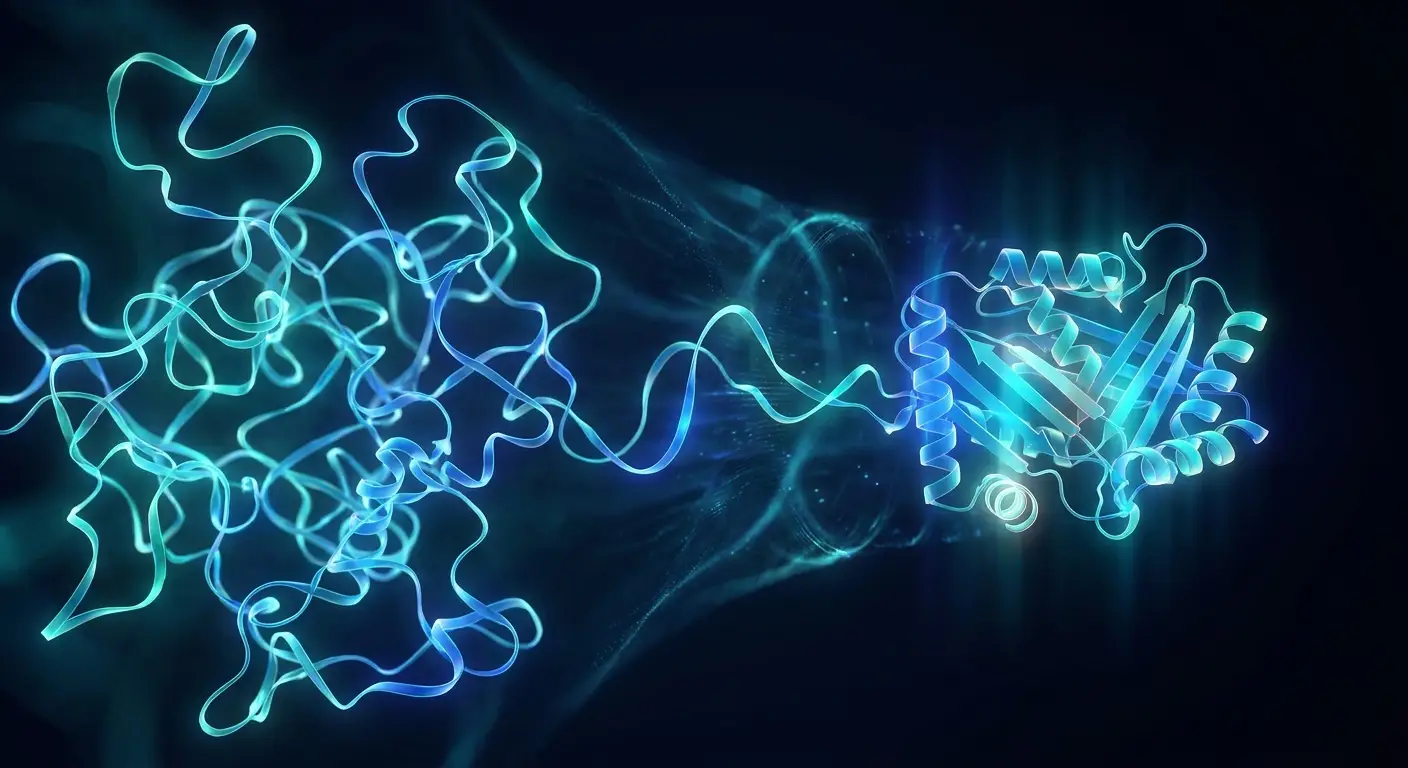
Folding: How a Floppy Chain Becomes a Defined Molecule
A freshly built peptide is a floppy string. What turns it into a defined shape? A look at the forces that drive folding and why they govern molecular behavior.

Chirality and the Left-Handed Rule of Life
Amino acids come in mirror-image forms, yet life overwhelmingly uses the left-handed kind. Here’s what chirality is and why it’s central to characterizing a peptide.
The Chemistry of Building a Peptide: Inside Solid-Phase Synthesis
Solid-phase synthesis builds a peptide one residue at a time on a tiny resin bead. Here’s how the cycle works and why each step’s fidelity defines the final molecule.
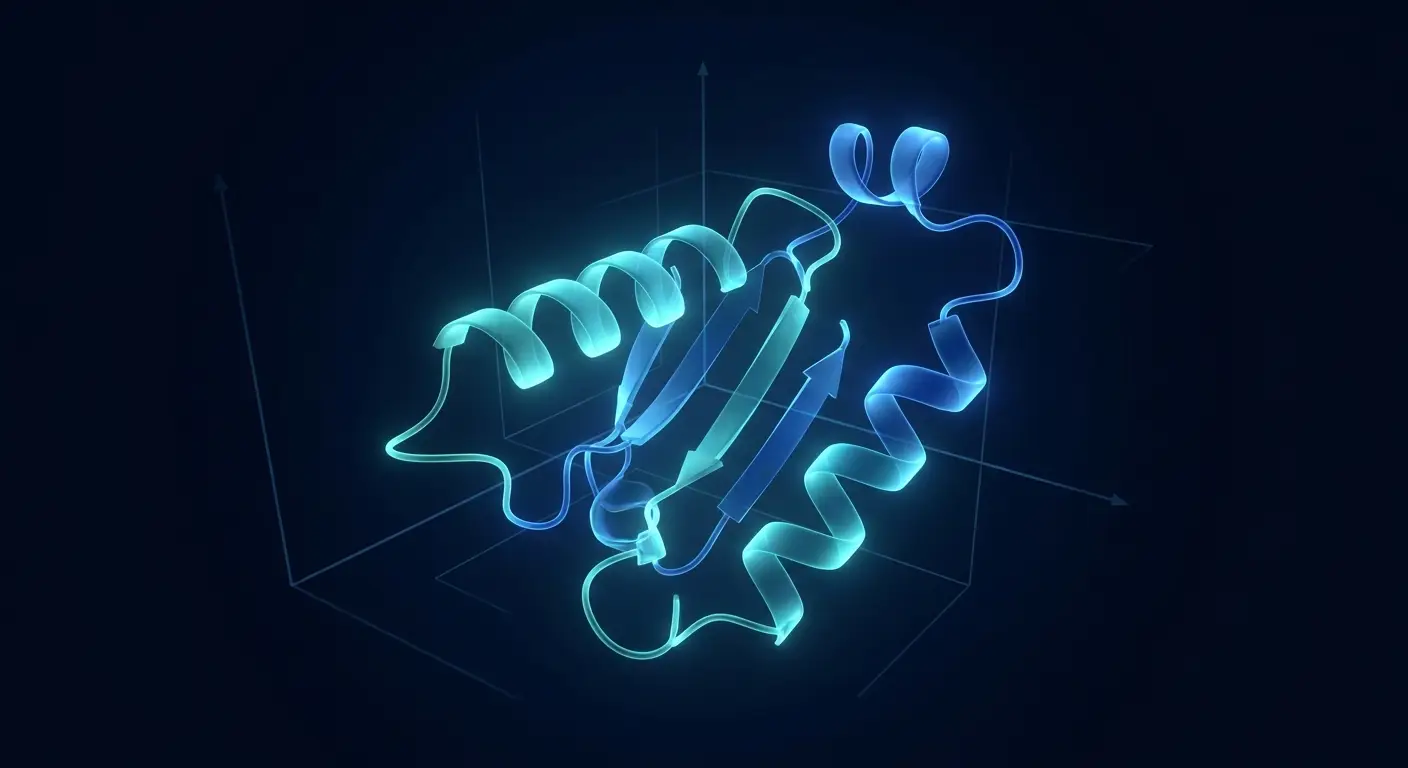
Why Geometry Is Identity: How a Peptide’s Shape Defines What It Actually Is
A peptide isn’t just a list of amino acids—it’s a precise three-dimensional shape. Here’s why folded geometry, not the sequence alone, defines molecular identity.

Amino Acid Analysis: The Independent Witness That Checks Every Other Test
AAA breaks a peptide down to its building blocks and counts them. It’s the one assay that independently confirms both composition and how much real peptide you have.
Endotoxin and the LAL Test: What Sterility Has to Do With Characterization
Endotoxin testing answers a question purity and identity assays can’t: how clean was the process? Here’s what the LAL assay measures and why it appears on rigorous COAs.

Karl Fischer Titration: The Water You Can’t See but Are Paying For
Lyophilized peptides pull moisture from the air, and that invisible water adds weight while degrading stability. Karl Fischer titration measures exactly how much.
The TFA Question: How Counterions Quietly Change Your Peptide’s Mass
Most synthetic peptides ship as salts, and the counterion riding along can account for a meaningful slice of the powder’s weight. Here’s the analytical story.
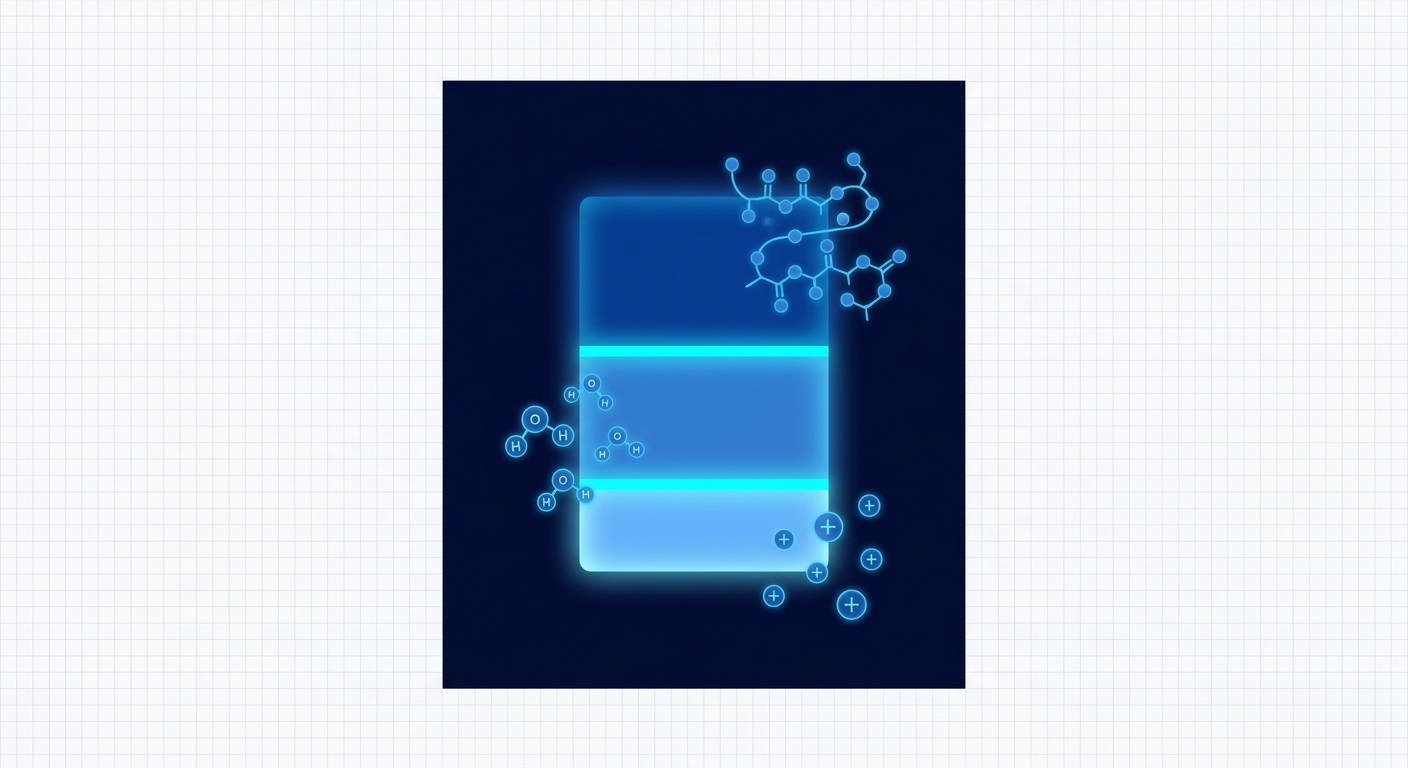
Net Peptide Content: The Number That Isn’t on Most Certificates
A vial can be 99% pure and still contain far less actual peptide than the label suggests. Net peptide content is the figure that closes that gap.
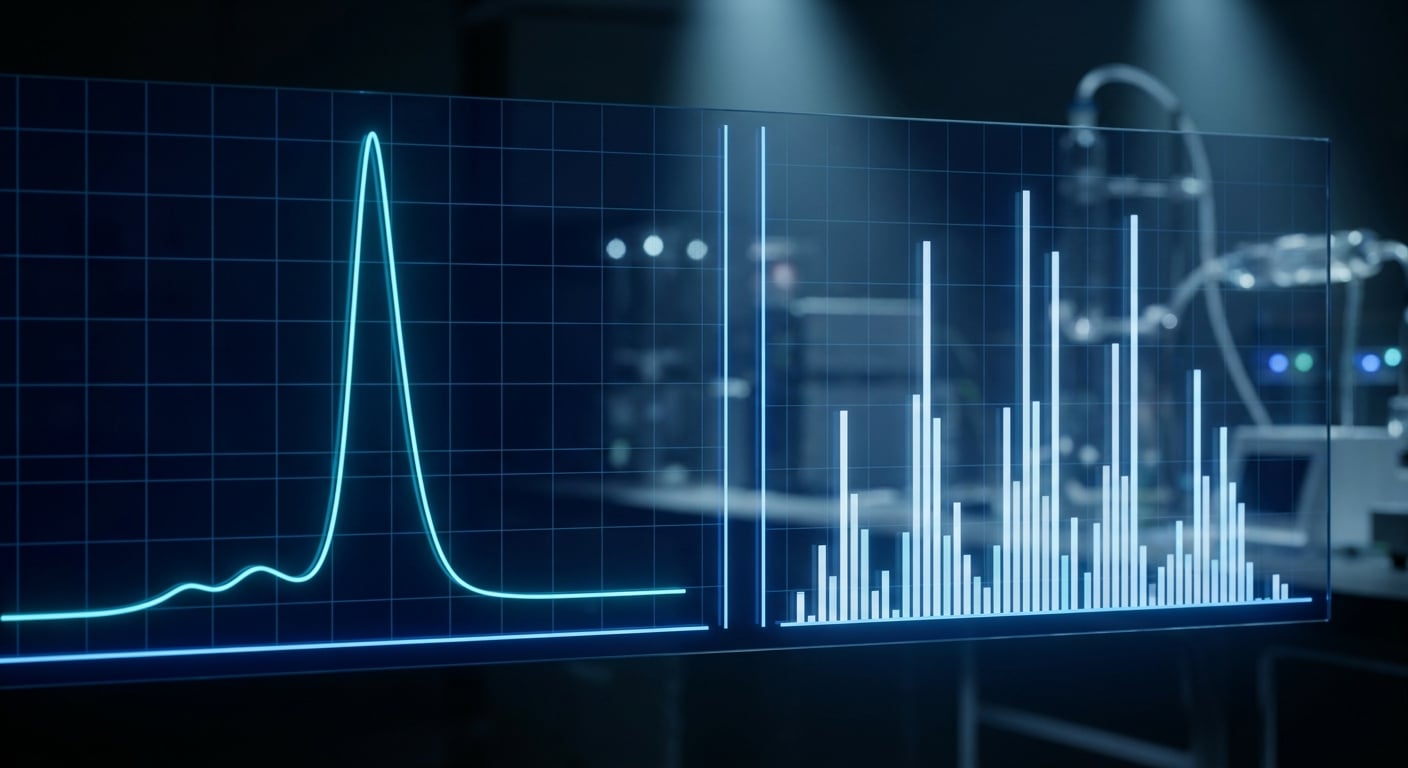
Purity vs. Identity: Why HPLC and Mass Spec Answer Two Different Questions
HPLC tells you how pure a peptide is. Mass spectrometry tells you whether it’s the right molecule at all. A real COA needs both, and here’s why.
The Recycled Certificate: How Static Documents Hide Quality Drift
A single certificate stretched across many production runs hides the one thing testing exists to catch: variation between batches.
Vetting a Vendor’s Quality Claims Before You Believe Them
Every vendor says they test. A disciplined framework for separating verifiable quality programs from confident marketing language.

Why a PDF Alone Can Never Prove Purity
The file format that delivers most certificates is also its greatest weakness. Here is why a standalone PDF can never be proof on its own.

The Verifier’s Mindset: A Skeptic’s Routine for Any Certificate
Verification is a habit, not a feeling. Here is a repeatable routine for evaluating any certificate of analysis with disciplined skepticism.
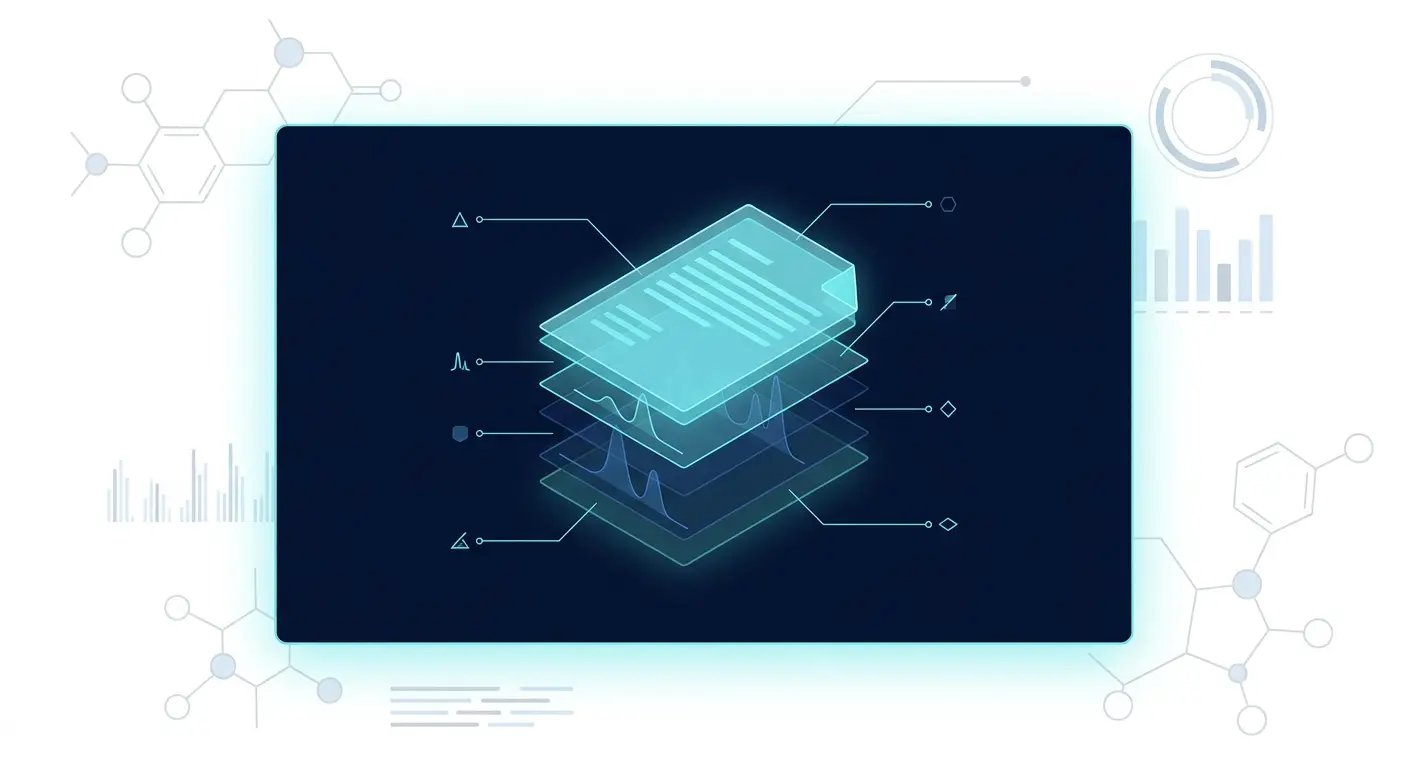
Anatomy of a Real Third-Party Analytical Report
Section by section, here is what a legitimate third-party report contains — and which omissions should make you walk away.

What “Independently Verifiable” Actually Means on a COA
A certificate is only as trustworthy as your ability to confirm it without trusting the seller. Here is what independent verification really requires.

How to Spot a Faked or Recycled COA: A Verification Checklist
A Certificate of Analysis is only as good as your ability to verify it. Here is a practical, RUO-focused checklist for telling a real COA from a forged or recycled one.
BPC-157: A Research Reference
An evidence-based research reference on BPC-157 (Body Protection Compound-157) — a synthetic pentadecapeptide studied in preclinical models for musculoskeletal repair, gastrointestinal protection, angiogenesis, and neurological function via the brain-gut axis.
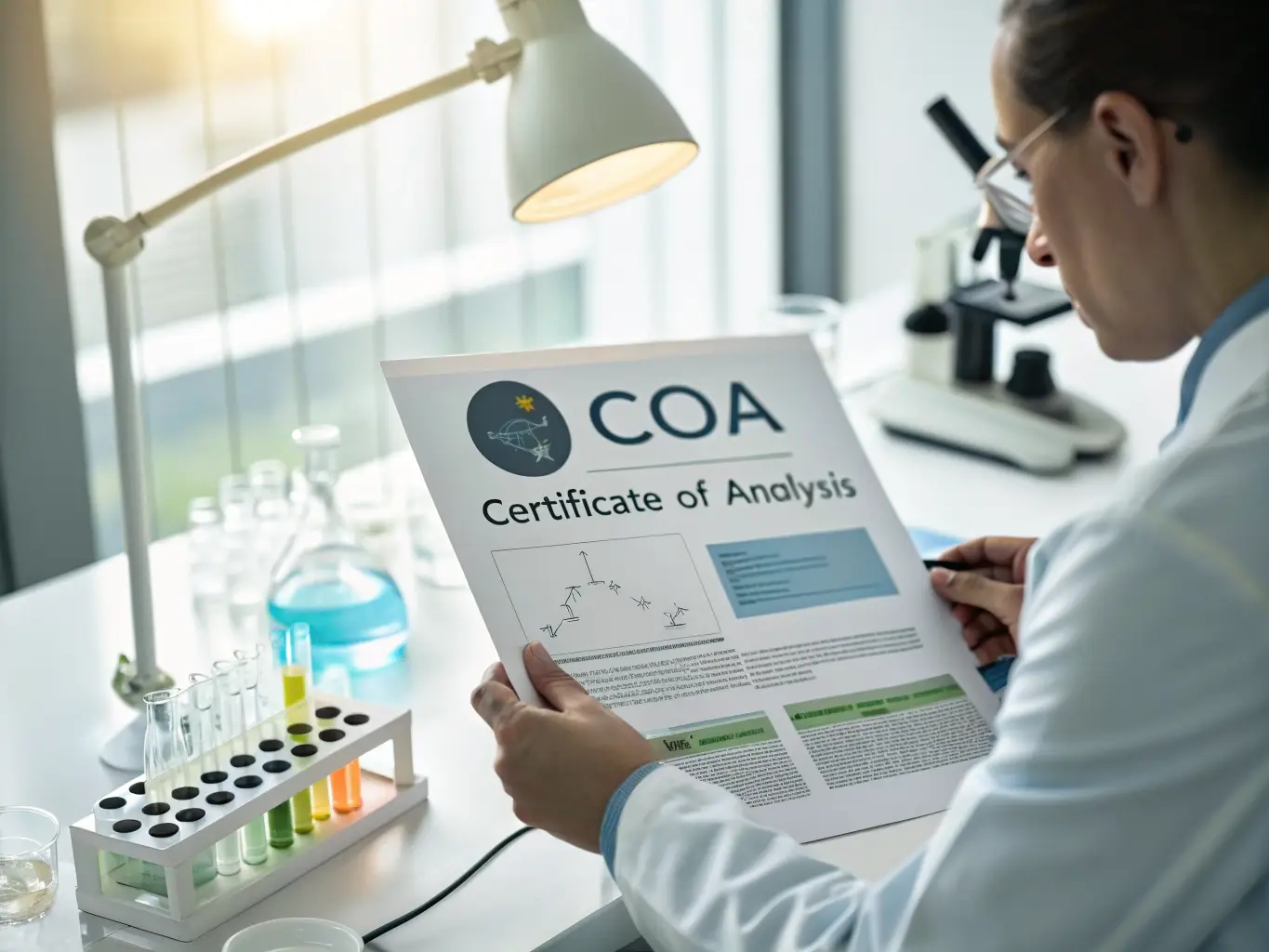
How to Read a Peptide Certificate of Analysis
A peptide COA is more than a purity number. Learn to read identity, purity, net peptide content, and safety testing – and the one question every COA must answer.
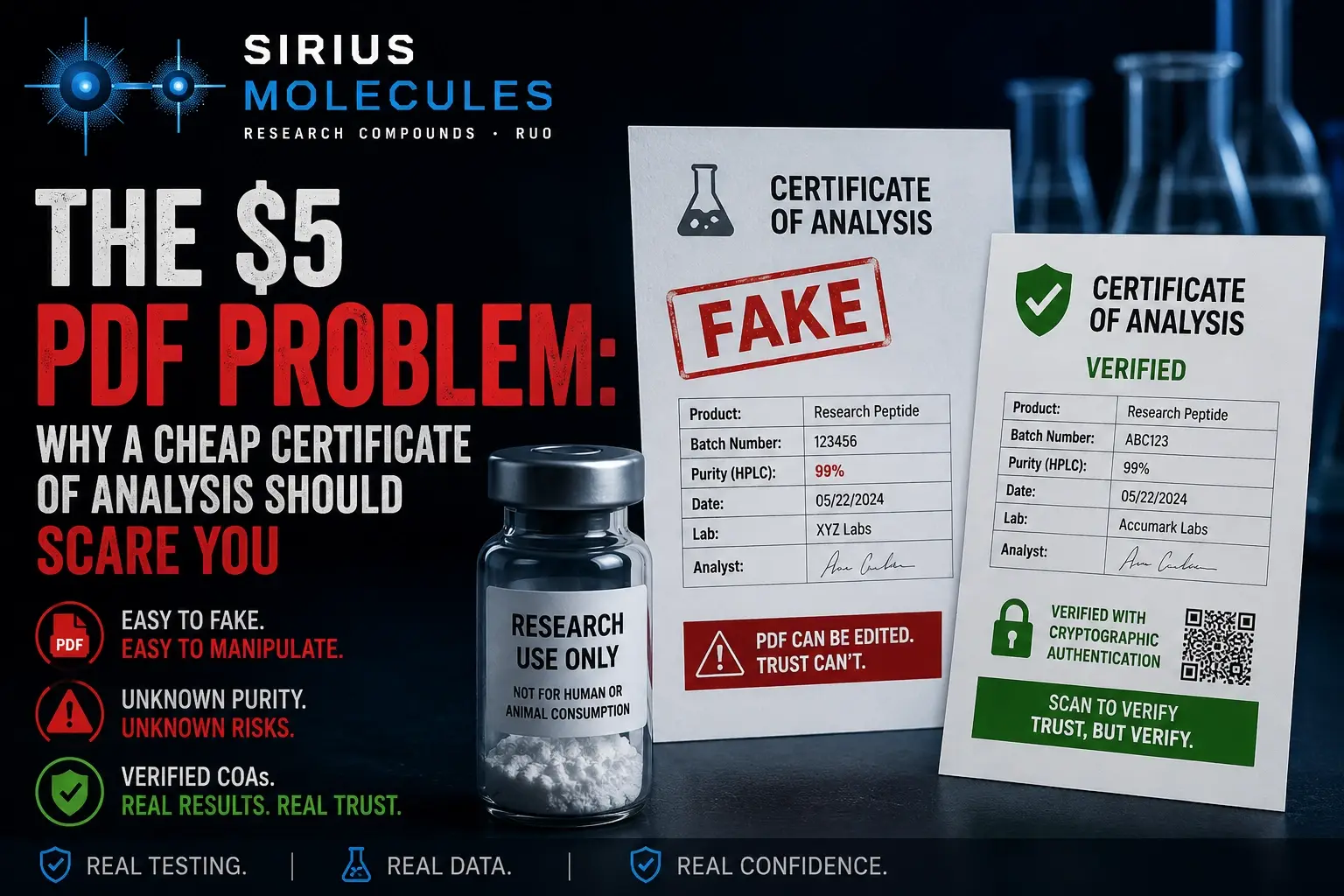
The $5 PDF Problem: Why a Cheap Certificate of Analysis Should Scare You
There is a quiet trick running through the research compound market right now. It costs almost nothing to pull off, and most buyers never catch it.Here’s how it works.A seller lists a peptide
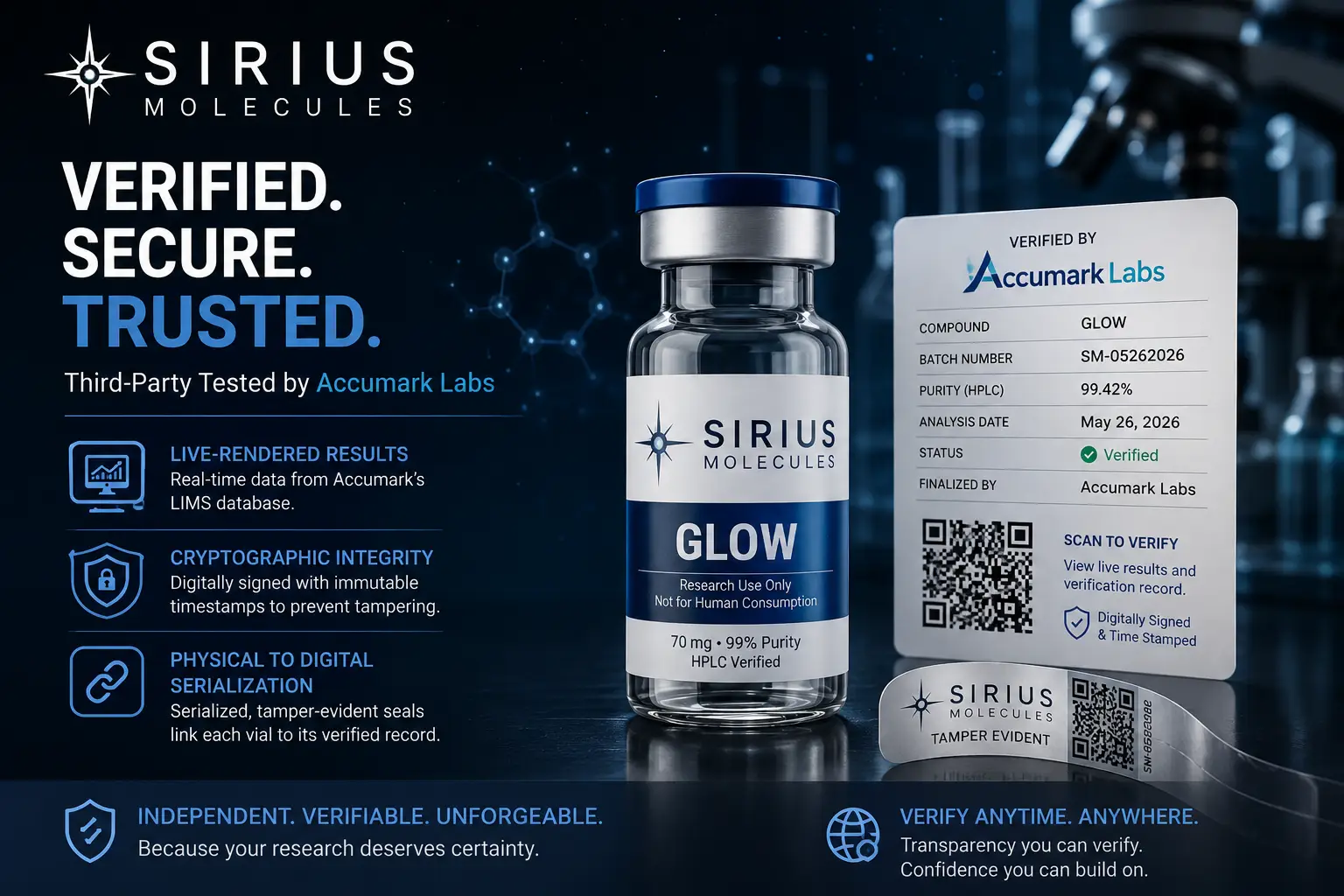
Why Sirius Molecules Tests Every Batch With Accumark Labs
The research compound industry runs on certificates of analysis that anyone with a PDF editor can forge. Here’s how we eliminated that problem — and what we’re adding to every batch starting June

How Research-Grade Peptides Are Made
From Synthesis to the Lyophilized Vial Behind every high-purity peptide is a highly controlled process where chemistry, engineering, and analytical science converge. Precision Begins at the Molecular Level Producing a research-grade peptide is

The Lexicon of Life: How AI Is Rewriting the Future of Peptide Research
From programmable biology to AI-designed molecular signaling, peptide science is entering a new era. A Quiet Revolution in Molecular Science Peptide science is in the middle of a quiet revolution, and for researchers