
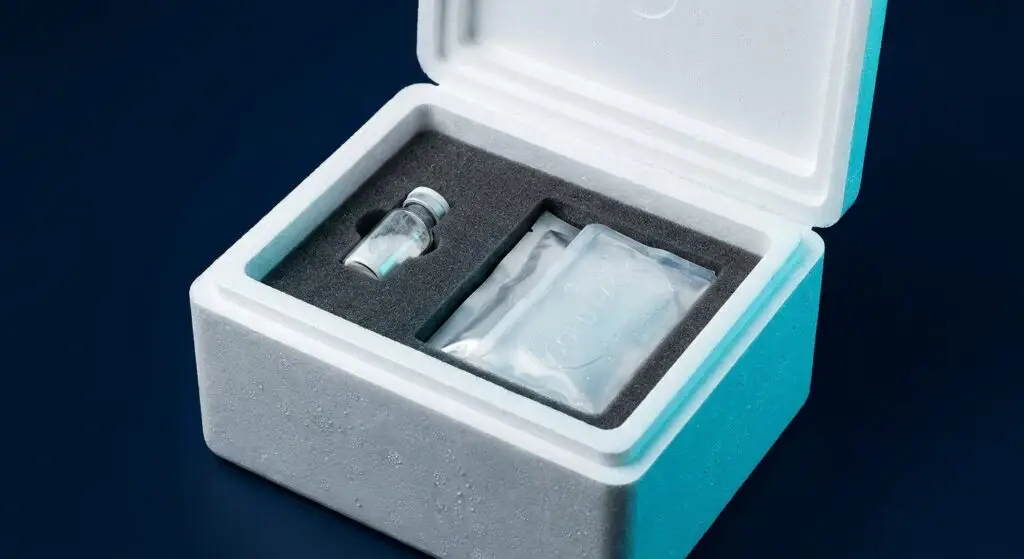
Cold-Chain Shipping for Research Compounds: What Actually Protects the Material
Most degradation risk happens in transit, not on the shelf. A look at what a real cold chain protects — and why a warm box on arrival isn’t always a failure.

Most degradation risk happens in transit, not on the shelf. A look at what a real cold chain protects — and why a warm box on arrival isn’t always a failure.
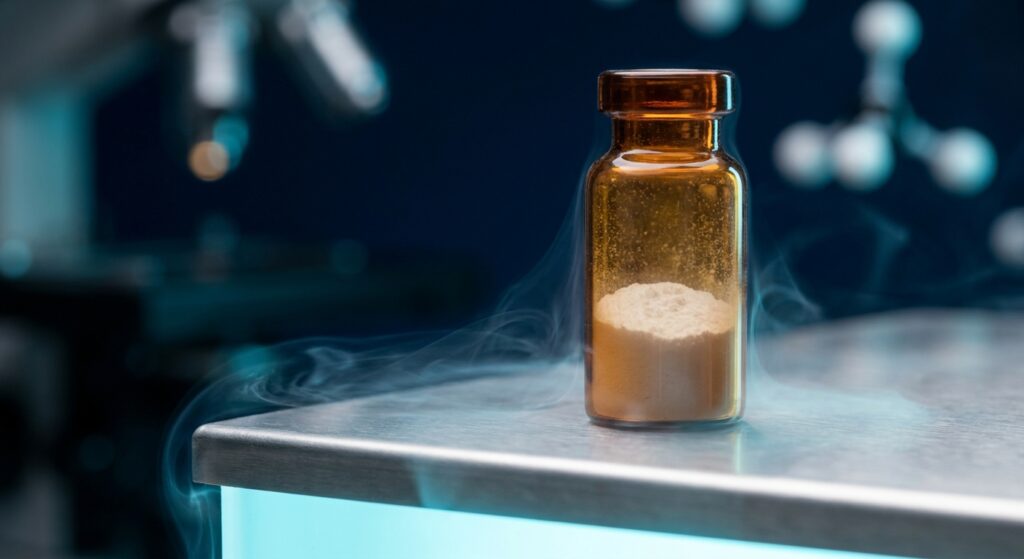
Lyophilized research material is stable, but not invincible. Here is how light, heat, and time quietly erode the integrity of a compound on the shelf.
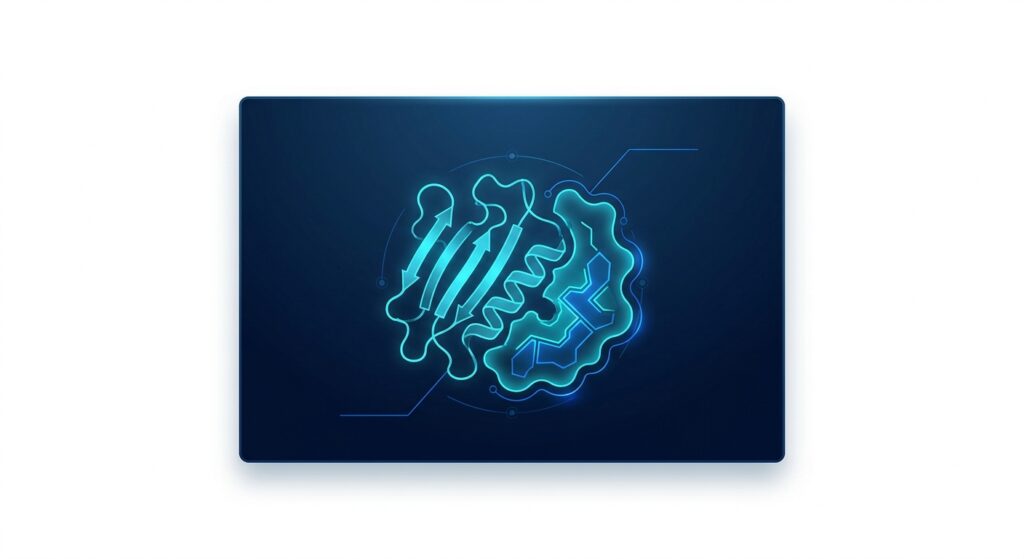
In molecular science, form and function are inseparable. A peptide’s three-dimensional shape is, in effect, its job description. Here’s the principle that ties it together.
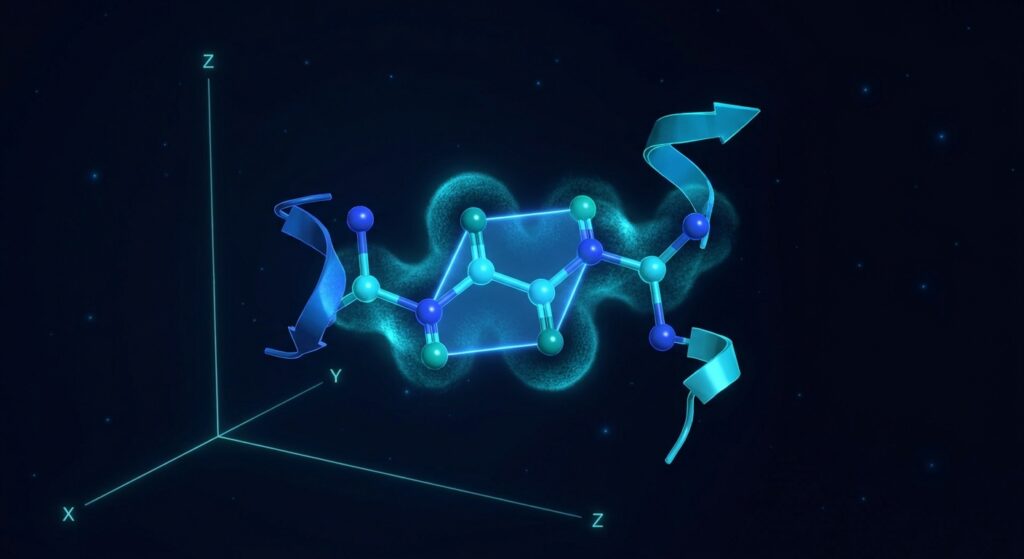
Every peptide is held together by one repeating connection: the peptide bond. Its unusual rigidity quietly shapes the entire molecule. Here’s what makes it special.
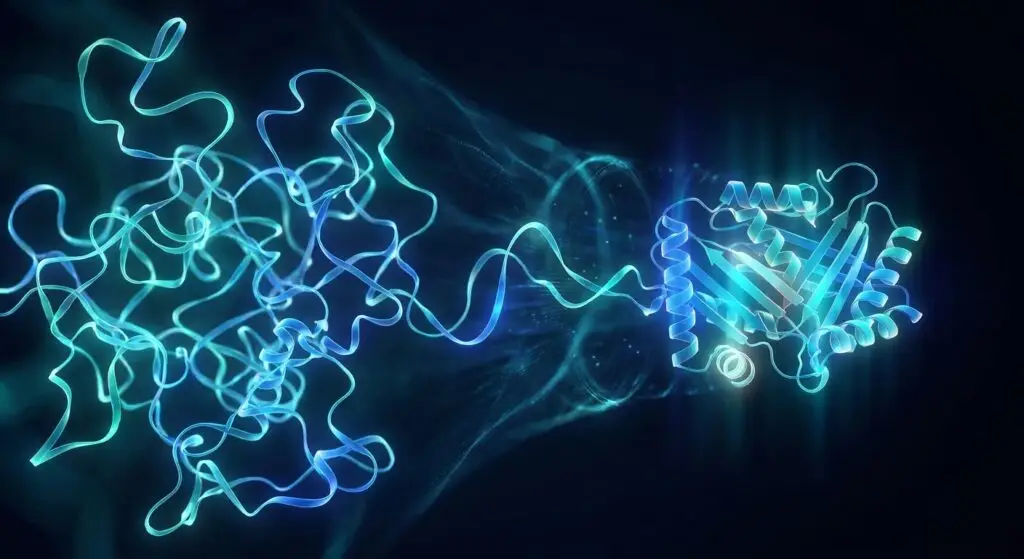
A freshly built peptide is a floppy string. What turns it into a defined shape? A look at the forces that drive folding and why they govern molecular behavior.
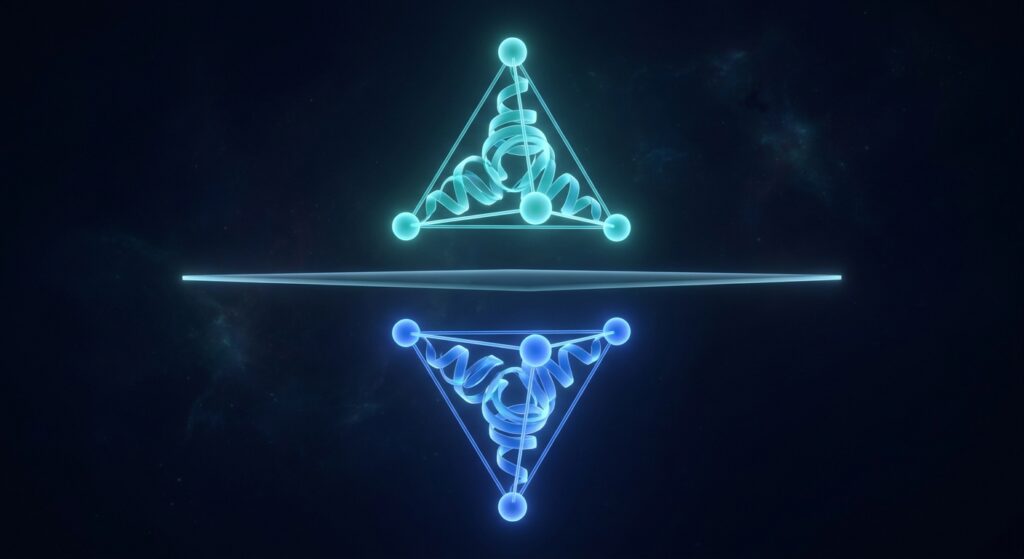
Amino acids come in mirror-image forms, yet life overwhelmingly uses the left-handed kind. Here’s what chirality is and why it’s central to characterizing a peptide.
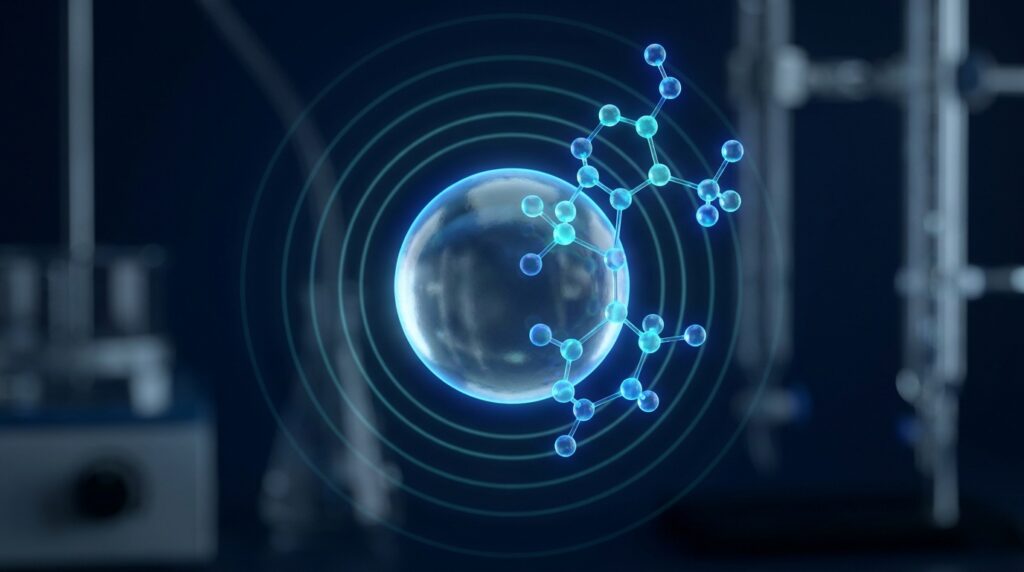
Solid-phase synthesis builds a peptide one residue at a time on a tiny resin bead. Here’s how the cycle works and why each step’s fidelity defines the final molecule.
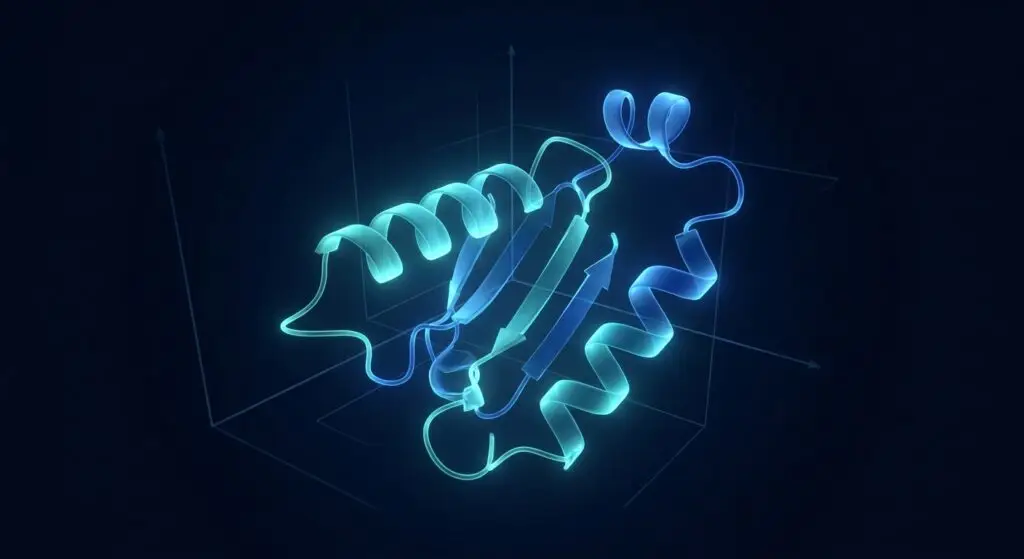
A peptide isn’t just a list of amino acids—it’s a precise three-dimensional shape. Here’s why folded geometry, not the sequence alone, defines molecular identity.
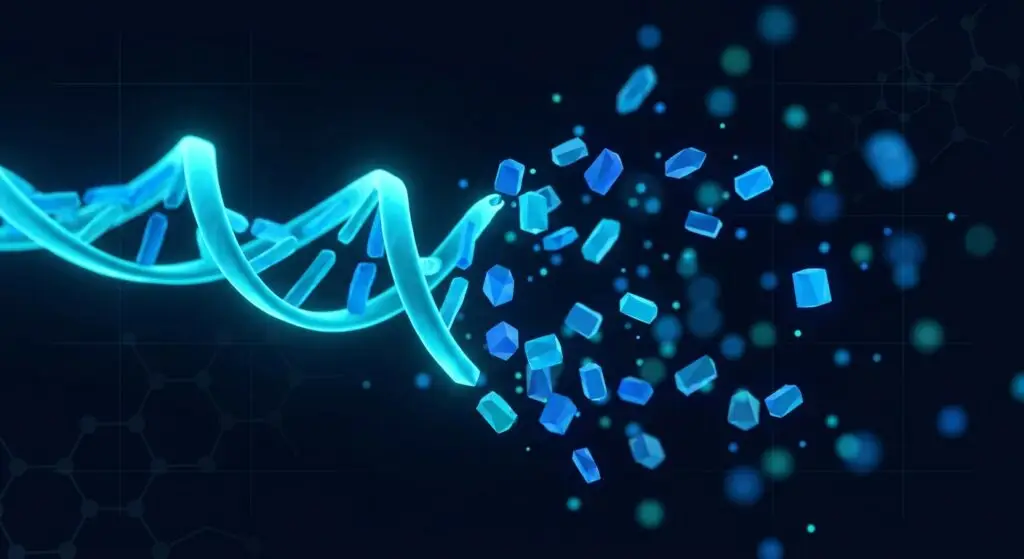
AAA breaks a peptide down to its building blocks and counts them. It’s the one assay that independently confirms both composition and how much real peptide you have.
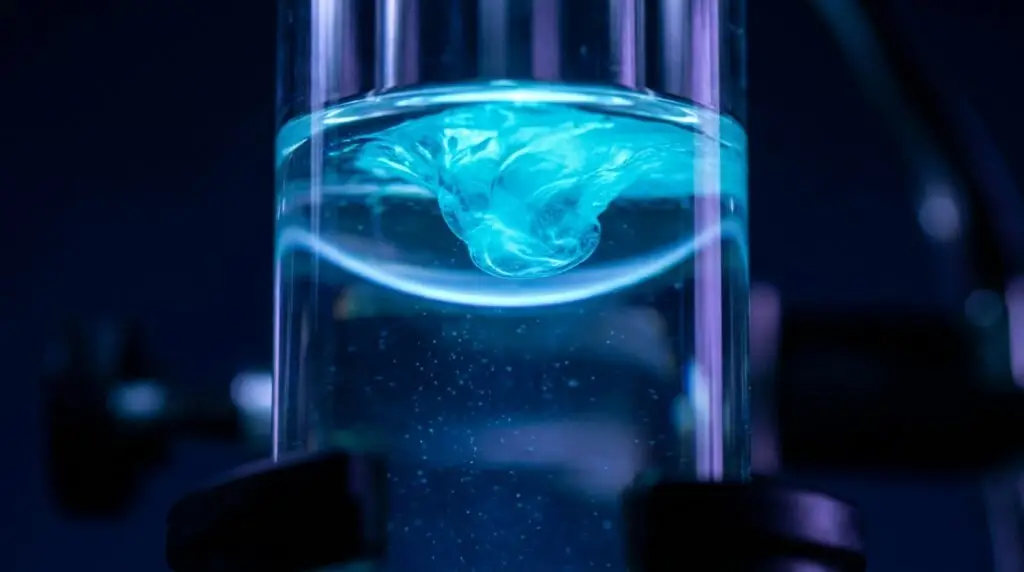
Endotoxin testing answers a question purity and identity assays can’t: how clean was the process? Here’s what the LAL assay measures and why it appears on rigorous COAs.