
Overview
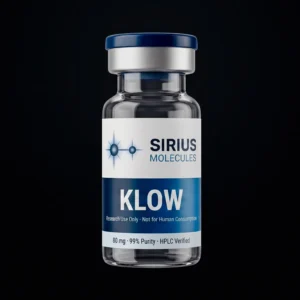
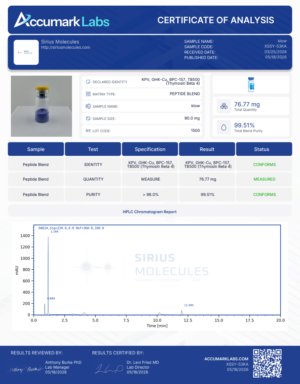
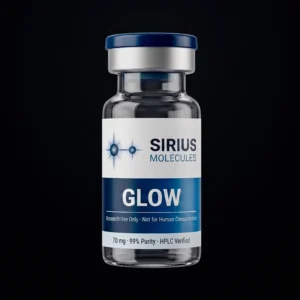
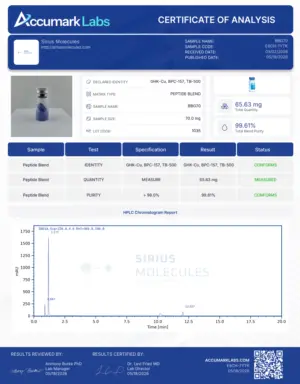
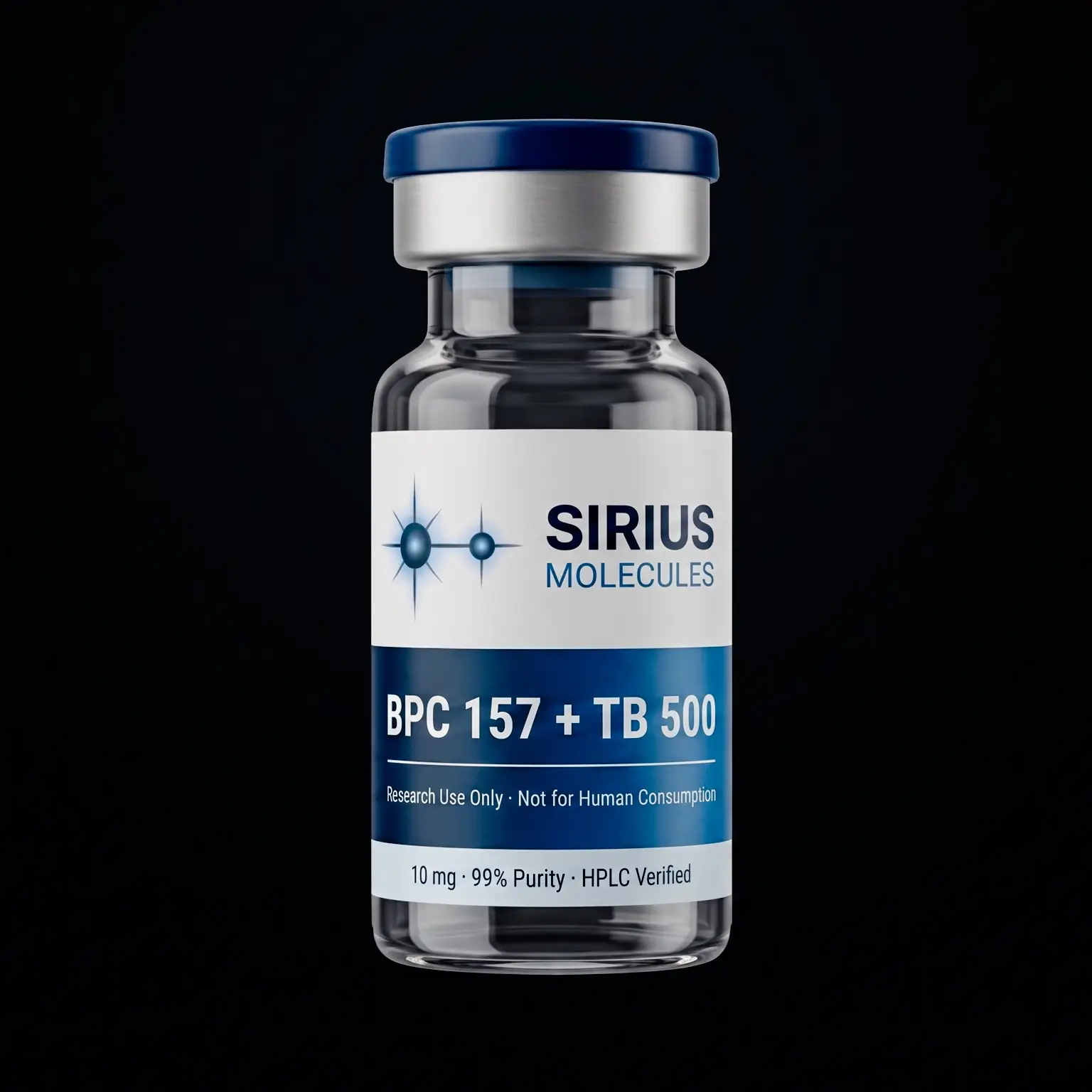
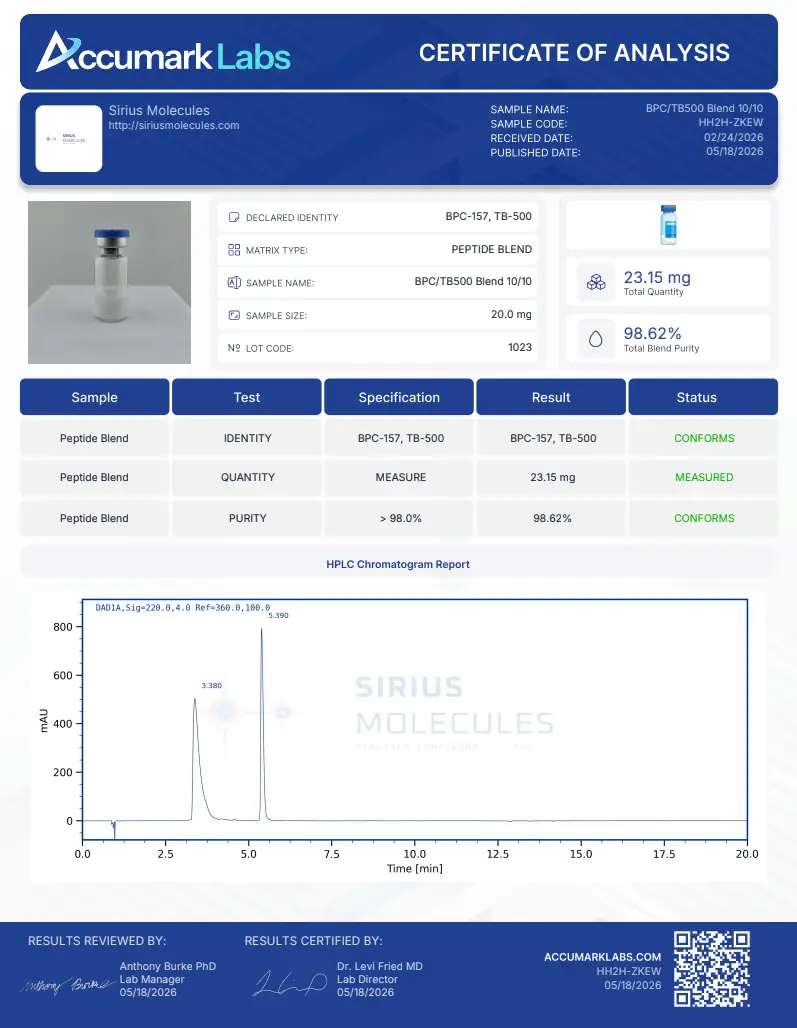
This research blend combines two distinct synthetic peptides — BPC-157 (a pentadecapeptide derived from gastric juice protein) and TB-500 (a synthetic fragment of Thymosin Beta-4) — in a single co-lyophilized preparation consisting of 50% ratio of either 5 mg or 10 mg of each compound. Each compound has been individually characterized in extensive preclinical literature, and the blend has been positioned in research contexts investigating the overlapping pathway activities of the two molecules (see individual compound entries for foundational citations).
History
BPC-157 and TB-500 emerged from independent lines of preclinical research beginning in the 1980s-1990s — BPC-157 from gastric cytoprotective protein research, and TB-500 from actin-sequestering peptide research. Research interest in combining the two emerged from the recognition that both compounds demonstrate activity in overlapping tissue remodeling and angiogenic pathway research contexts (Sikiric et al., 2020; Sosne et al., 2010).
Structure & Molecular Data
| CAS Number | N/A (synthetic peptide blend) |
| Molecular Formula | Blend: BPC-157 (C₆₂H₉₈N₁₆O₂₂) + TB-500 (C₂₁₂H₃₅₀N₅₆O₇₈S) |
| Molecular Weight | Combined MW: BPC-157 (1419.556 g/mol) + TB-500 (4,963.44 g/mol) |
| Amino Acid Count / Structure | Blend of 15-aa pentadecapeptide (BPC-157) and 43-aa Tβ4 fragment (TB-500) |
| PubChem CID | BPC-157: 108101 | TB-500: 16132341 |
| Sequence | See individual compound entries (SM-BPC157 and SM-TB500) |
| Appearance | Co-lyophilized white powder blend |
| Storage | Store at -20°C. Protect from light and moisture. |
| Solubility | Soluble in sterile water and bacteriostatic water for research preparation |
Compound Class & Mechanism
The two peptides in this blend have been characterized in preclinical research as engaging distinct but overlapping pathway systems. BPC-157 activity has been associated with nitric oxide system modulation, VEGFR2 signaling, and extracellular matrix remodeling pathways. TB-500 activity has been associated with actin sequestration, laminin-5 expression modulation, and integrin-linked kinase signaling.
Research has characterized the individual pathway profiles of each compound in detail. The blend format is used in research protocols where investigators seek to study the co-administration of both compounds; researchers should refer to individual compound documentation for receptor-specific and pathway-specific research characterization.
Research Findings
As a blend, research interest has focused on the simultaneous availability of both compounds in single-preparation research protocols. Published research on each individual compound has documented findings across the following combined research domains:
Key Research Areas
- Structural Remodeling Research: combined BPC-157 and TB-500 activity in matrix remodeling research
- Vascular Research: overlapping angiogenic pathway research activity
- Cellular Migration Research: combined effects in migration-focused research models
- Tissue Resilience Research: overlapping preclinical research activity profiles
Collectively, this research blend provides a single-preparation format for protocols that would otherwise require sourcing and preparing two compounds separately. See individual compound entries (SM-BPC157 and SM-TB500) for full research characterization.
Research Context
Researchers study this blend as a convenient single-preparation format when research protocols call for co-administration of BPC-157 and TB-500. The blend is not a distinct pharmacological entity; its research characterization derives from the individual compound literatures.
References
Sikiric P. et al. (2020). Brain-gut axis and the pentadecapeptide BPC-157. Current Pharmaceutical Design.
Sosne G. et al. (2010). Thymosin beta 4 significantly reduces the signs of dryness in a murine controlled adverse environment model of experimental dry eye. Expert Opinion on Biological Therapy.
Goldstein AL. et al. (2005). Thymosin beta4: actin-sequestering protein moonlights to repair injured tissues. Trends in Molecular Medicine.
Seiwerth S. et al. (2018). Mechanisms of angiogenic activity and NO-system modulation by BPC-157. Frontiers in Pharmacology.
| REGULATORY & LEGAL NOTICE
Intended Use. This product is sold exclusively as a research chemical for use in controlled laboratory settings by qualified scientific professionals. It is intended solely for in vitro research, analytical standards, and non-clinical preclinical experimentation. The product is not a drug, dietary supplement, cosmetic, food product, or consumer article of any kind. Prohibited Uses. This product is NOT for use in humans, NOT for veterinary use, NOT for in vivo use in any species, NOT for diagnostic use, NOT for therapeutic use, NOT for food or agricultural use, and NOT for compounding into any preparation intended for administration to humans or animals. Qualified Professionals Only. Purchasers represent that they are qualified scientific professionals, licensed researchers, or authorized personnel at a research institution, and that this product will be handled in accordance with all applicable institutional, federal, state, and local regulations governing research chemicals. Regulatory Notice. The statements made regarding this product have not been evaluated by the U.S. Food and Drug Administration. This product has not been approved by the FDA for any therapeutic, diagnostic, or preventive use. Not a Compounding or Outsourcing Facility. Sirius Molecules is a research chemical supplier. Sirius Molecules is not a compounding pharmacy or outsourcing facility as defined under Sections 503A or 503B of the Federal Food, Drug, and Cosmetic Act. Legal Compliance. Purchasers are solely responsible for ensuring that their acquisition, possession, handling, and use of this product complies with all applicable laws and regulations in their jurisdiction. |