Overview
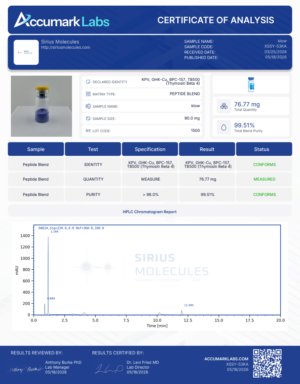
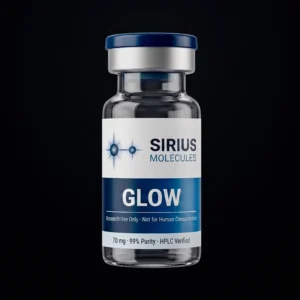
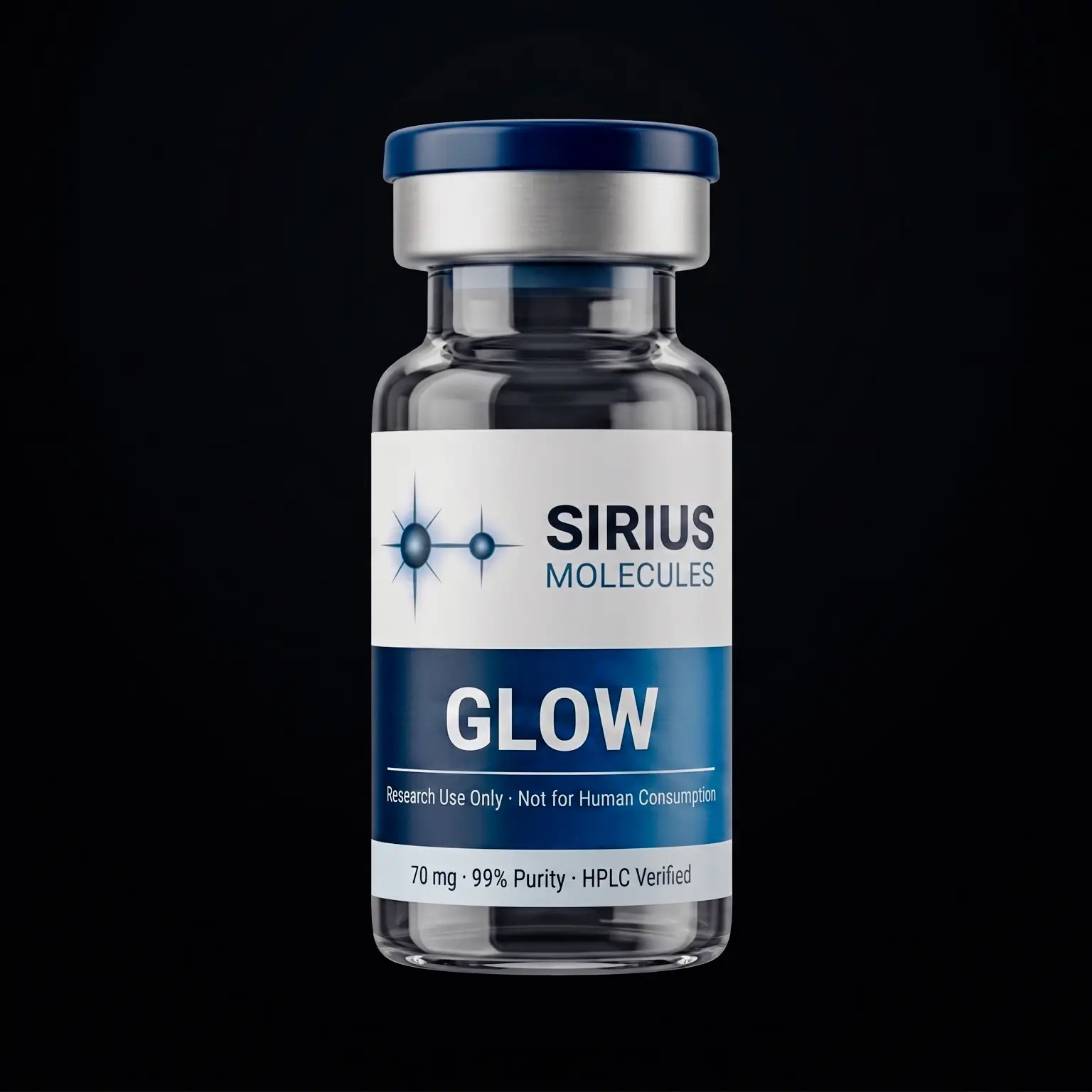
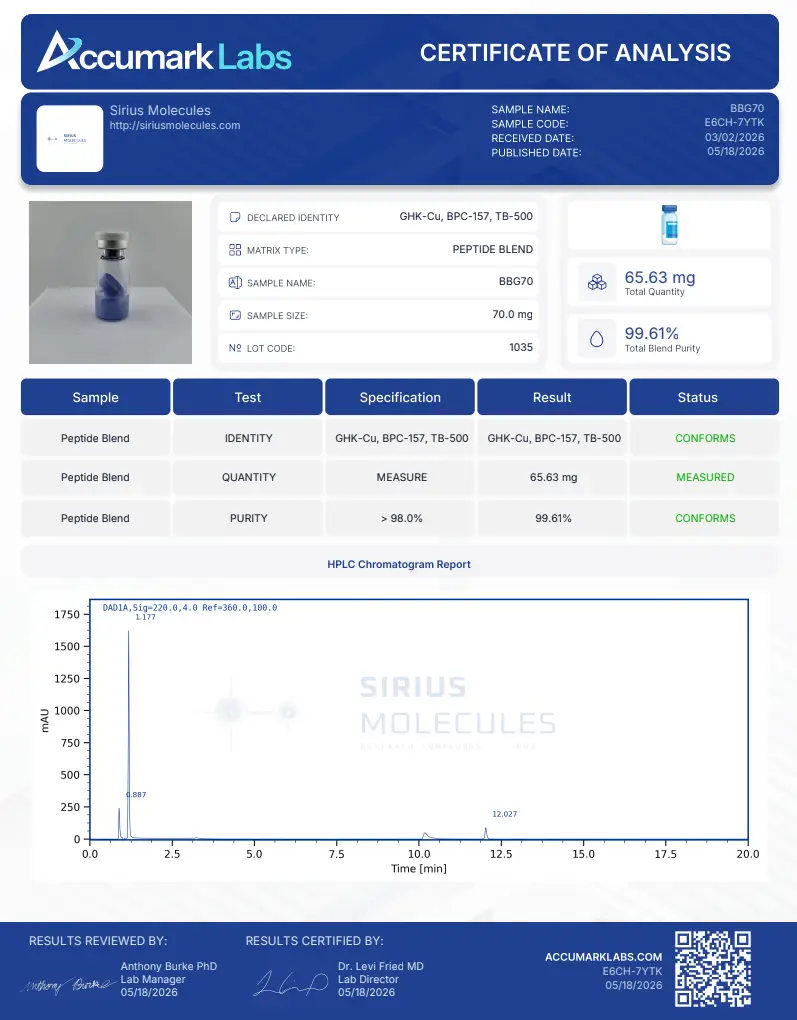
The GLOW blend combines three synthetic peptides with individually characterized research profiles in dermal, vascular, and structural remodeling pathway research: GHK-Cu (copper-binding tripeptide), BPC-157 (gastric-derived pentadecapeptide), and TB-500 (Thymosin Beta-4 fragment). The blend has been a subject of research interest in protocols investigating combined peptide pathway dynamics in dermal and soft tissue research models (see individual compound entries for foundational references).
History
Each component of the GLOW blend emerged from independent lines of preclinical research. The blend configuration reflects research interest in combining three peptides with overlapping activity in matrix remodeling, angiogenesis, and cellular migration pathway research (Pickart & Margolina, 2018; Sikiric et al., 2020; Goldstein et al., 2005).
Structure & Molecular Data
| CAS Number | N/A (synthetic peptide blend) |
| Molecular Formula | Blend: GHK-Cu + BPC-157 + TB-500 |
| Molecular Weight | Combined MW: GHK-Cu (402.92 g/mol) + BPC-157 (1419.556 g/mol) + TB-500 (4,963.44 g/mol) |
| Amino Acid Count / Structure | Three-compound blend: 3-aa copper peptide + 15-aa pentadecapeptide + 43-aa Tβ4 fragment |
| PubChem CID | GHK-Cu: 16132295 | BPC-157: 108101 | TB-500: 16132341 |
| Sequence | See individual compound entries (SM-GHK, SM-BPC157, SM-TB500) |
| Appearance | Co-lyophilized blue-tinted powder (due to GHK-Cu copper complex) |
| Storage | Store at -20°C. Protect from light. |
| Solubility | Soluble in sterile water and bacteriostatic water |
Compound Class & Mechanism
The three peptides in the GLOW blend have been characterized in preclinical research as engaging complementary pathway systems. GHK-Cu has been associated with copper-delivery pathways, modulation of lysyl oxidase and SOD activity, and broad gene expression effects. BPC-157 has been associated with NO-system modulation, VEGFR2 signaling, and matrix remodeling. TB-500 has been associated with actin sequestration and cellular migration dynamics.
Collectively, these three pathway systems overlap in dermal biology, angiogenic research, and structural remodeling research contexts. Researchers use the blend format to simplify single-preparation protocols; for full characterization of each compound’s individual pathway activity, see the individual compound entries.
Research Findings
Research on this blend draws from the individual compound literatures. Published research has documented findings across the following combined research domains:
Key Research Areas
- Dermal Biology Research: combined copper-peptide, cytoprotective, and Tβ4 activity research
- Vascular Research: overlapping angiogenic pathway research activity
- Matrix Remodeling: combined collagen and extracellular matrix research
- Cellular Migration Research: three-compound research preparations
Collectively, this research blend provides a single-preparation format for protocols investigating combined dermal and soft tissue research. See individual compound entries (SM-GHK, SM-BPC157, SM-TB500) for full research characterization.
Research Context
Researchers study the GLOW blend as a convenient single-preparation format when research protocols call for co-administration of all three peptides. The blend is positioned as a multi-compound research tool rather than a distinct pharmacological entity.
References
See full reference lists under SM-GHK, SM-BPC157, and SM-TB500 individual compound entries.
Pickart L., Margolina A. (2018). Regenerative and protective actions of the GHK-Cu peptide. International Journal of Molecular Sciences.
Sikiric P. et al. (2020). Brain-gut axis and the pentadecapeptide BPC-157. Current Pharmaceutical Design.
Goldstein AL. et al. (2005). Thymosin beta4: actin-sequestering protein moonlights to repair injured tissues. Trends in Molecular Medicine.
| REGULATORY & LEGAL NOTICE
Intended Use. This product is sold exclusively as a research chemical for use in controlled laboratory settings by qualified scientific professionals. It is intended solely for in vitro research, analytical standards, and non-clinical preclinical experimentation. The product is not a drug, dietary supplement, cosmetic, food product, or consumer article of any kind. Prohibited Uses. This product is NOT for use in humans, NOT for veterinary use, NOT for in vivo use in any species, NOT for diagnostic use, NOT for therapeutic use, NOT for food or agricultural use, and NOT for compounding into any preparation intended for administration to humans or animals. Qualified Professionals Only. Purchasers represent that they are qualified scientific professionals, licensed researchers, or authorized personnel at a research institution, and that this product will be handled in accordance with all applicable institutional, federal, state, and local regulations governing research chemicals. Regulatory Notice. The statements made regarding this product have not been evaluated by the U.S. Food and Drug Administration. This product has not been approved by the FDA for any therapeutic, diagnostic, or preventive use. Not a Compounding or Outsourcing Facility. Sirius Molecules is a research chemical supplier. Sirius Molecules is not a compounding pharmacy or outsourcing facility as defined under Sections 503A or 503B of the Federal Food, Drug, and Cosmetic Act. Legal Compliance. Purchasers are solely responsible for ensuring that their acquisition, possession, handling, and use of this product complies with all applicable laws and regulations in their jurisdiction. |